
It’s always that one room. Maybe it’s on an upper level. Maybe it’s in your basement. It’s cold all the time no matter what you do. You leave the door to the hallway open. You make sure the vents are open. Finally, you turn up the thermostat. Now, that stubborn room is still cold, and the rest of the house is uncomfortably hot.
Many Thedford homeowners think they need a new HVAC system to fix the problem. But can you add zoning to an existing ducted system? In many cases, you can. By adding zoning controls to your home’s HVAC system, you can create more consistent comfort without replacing your equipment.
An HVAC zoning system gives you the ability to independently control temperatures in different parts of your home. However, zoning may not be suitable for every HVAC system. Your ductwork, equipment, airflow and existing controls should be assessed before adding zoning.
Understanding HVAC Zoning Systems
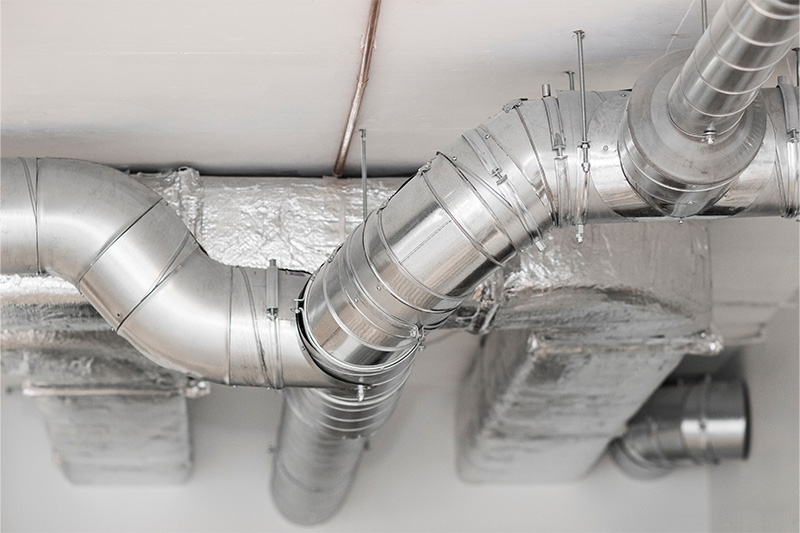
HVAC zoning systems split a home into individual comfort zones. Each zone has a dedicated thermostat. Motorized dampers inside the ductwork adjust how much conditioned air flows to each area.
A zone control system for your HVAC means you can set different temperatures for each zone. Instead of treating the entire house as one space, the precise temperature control with a ducted zoning system allows for targeted comfort throughout the home.
Can an Existing Ducted HVAC System Be Zoned?
Adding zoning to an existing HVAC system can increase comfort in many homes. However, not every system is well suited for HVAC zoning.
To decide if zoning is ideal for your home, a professional evaluation should look at several important factors:
- Home duct layout: Ducts must be able to be configured to support multiple zones.
- Current equipment: Some HVAC systems are more compatible with zoning than other systems.
- Blower strength: The blower must be strong enough to accommodate airflow changes as the zoning dampers adjust.
- HVAC system age: Older equipment may have limitations that affect zoning compatibility.
- Control board compatibility: The equipment must be compatible with the new zoning controls.
- Ductwork access: Technicians need access to the ductwork to install dampers and wiring.
- Number of zones: More zones may require a more involved installation.
An HVAC professional should inspect your system before recommending zoning.
7 Reasons Your Home Might Benefit from Adding Zoning
If your home has these common comfort problems, they are signs that zoned heating and cooling might be able to help:
- Second story stays hotter than lower levels: Multi-story homes often have varying heating and cooling needs. Zoning can help deliver conditioned air to the areas that need it most.
- Finished basements stay cold: Because they are below ground, basements are often colder than main floor and upper story rooms. A separate zone can help address those differences.
- Rooms with large windows get too hot: Solar heat gain can make these rooms warmer than the rest of the home.
- Bonus rooms above garages: These spaces often have can be difficult to keep comfortable with a traditional, non-zoned HVAC system.
- Additions not served well by HVAC: An addition may have different ductwork, insulation or sun exposure.
- Family members prefer different temperatures: Separate zones can reduce thermostat disagreements.
- Rooms with west windows become much warmer: Sun streaming through large windows, especially on the west side of a home, can make a room significantly warmer.
Benefits of Adding HVAC Zoning to Your System
HVAC zoning benefits begin with improved comfort. Zoning can provide more consistent temperatures and customized settings. It also is designed to eliminate the need to overheat or overcool some rooms to make other rooms a more comfortable temperature.
Depending on the home, zoning supports better energy efficiency and limits unnecessary system runtime. However, energy savings are not guaranteed, and correct system design is important.
When HVAC Zoning May Not Be the Right Choice
Zoning isn’t always the best way to solve heating and cooling challenges. Before investing in a home zoning system, an HVAC professional should identify any underlying problems.
Poor insulation, air leaks, damaged ductwork and improper system design can all cause rooms to be too hot or too cold. Incorrectly sized HVAC systems can also cause issues that zoning alone cannot correct. Poor airflow, dirty filters and closed registers should be addressed first considering zoning.
In some homes, strategies like HVAC airflow balancing or making duct repairs may be a better solution than adding zoning controls.
What Does HVAC Zoning System Include?
Professional HVAC zoning installation begins with a thorough home evaluation that includes airflow testing and duct inspection to determine where zones and dampers should be placed.
Installation includes installing motorized HVAC dampers in your duct work, thermostats and control wiring. The technician then tests each zone and calibrates the system. Installation time varies based on the accessibility of the ductwork, number of zones and complexity of the system.
Does HVAC Zoning Make Sense for Your Home?
If your upstairs is often hotter than downstairs or your home has other stubborn comfort differences, zoning may be a good solution. HVAC zoning cost in your home depends on the number of zones, ductwork changes and controls.
The best way to find out if zoning is right for you is to have an experienced HVAC contractor like Taylor's Heating & Air Conditioning assess your home and current HVAC system. Our heating and cooling specialists will inspect your ductwork, equipment, airflow and controls to help determine the right approach.
If you’re thinking about adding zoning to your HVAC system, Taylor's Heating & Air Conditioning can help. If zoning is right for your home, we’ll suggest a system that’s right for you. If zoning isn’t the right fit for your home, we’ll recommend other HVAC solutions we think are better suited to your home and comfort challenges. We just want you to be comfortable.
Take the next step toward a more comfortable home. Request an in-home estimate for zoning today.